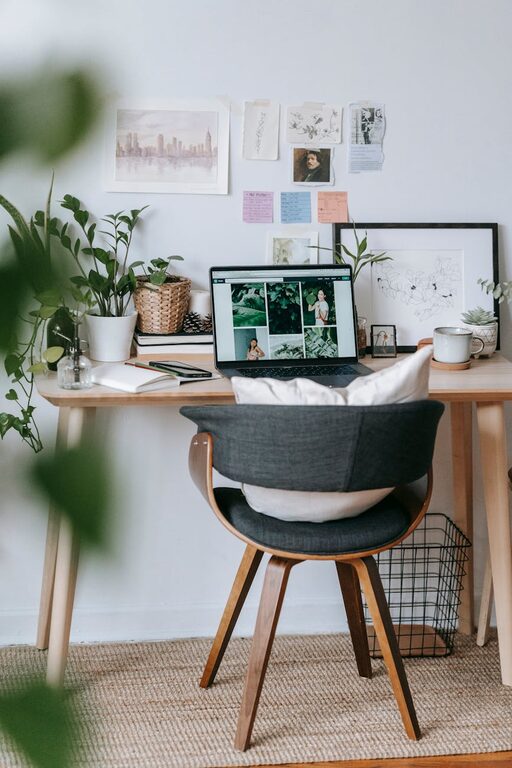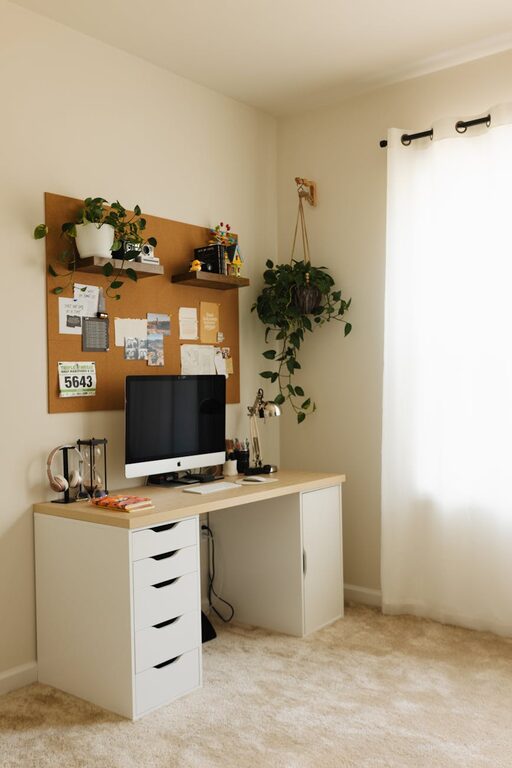
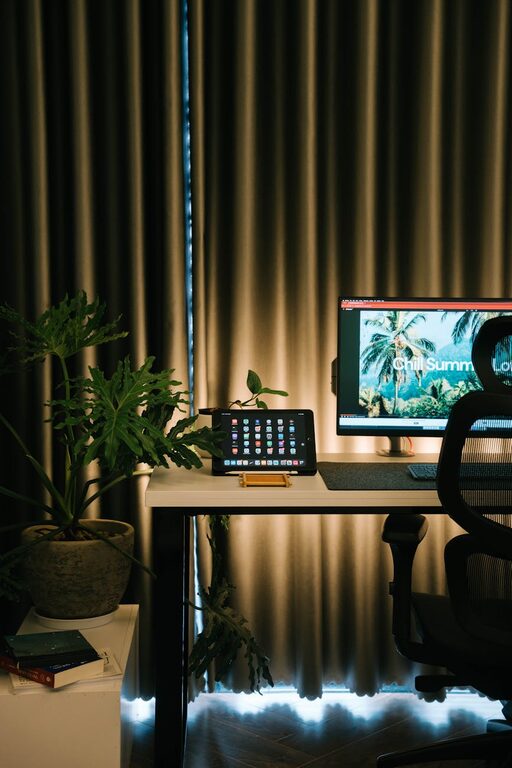
Creating a home office that is both cozy and productive can significantly improve your work-from-home experience. Whether you are setting up a space in a spare room, a corner of your living room, or a dedicated office, the right environment can boost your focus, reduce stress, and make your workday more pleasant. Here are some practical tips to help you create a home office that works well for you.
1. Choose the Right Location
Consider Natural Light
Pick a spot with good natural light whenever possible. Sunlight not only helps to reduce eye strain but also enhances your mood and energy levels. Position your desk near a window to take advantage of daylight.
Minimise Distractions
Select a quiet part of your home where you are less likely to be disturbed. If that’s not possible, use noise-cancelling headphones or soundproofing solutions to keep interruptions at bay.
2. Invest in Comfortable Furniture
Ergonomic Chair and Desk
A supportive chair with adjustable height and good lumbar support is essential to avoid back pain. Pair it with a desk at the right height, so your elbows are at a 90-degree angle when typing.
Adjustable Desk Options
If space and budget allow, consider a sit-stand desk. Changing your position during the day can reduce fatigue and improve circulation.
3. Organise Your Workspace Efficiently
Declutter Regularly
Keep only essential items on your desk to maintain focus. Use drawers and shelves to store papers, stationery, and electronics neatly.
Use Organizers and Storage
Desk trays, filing cabinets, or baskets can help keep documents and supplies in order. Label containers to make finding things easier.
4. Personalise Your Space for Comfort
Add Soft Textiles
Incorporate rugs, cushions, or throws to create a warm and inviting atmosphere. Soft textures can make the space feel more like home.
Include Plants
Plants not only improve air quality but also have a calming effect. Choose low-maintenance varieties such as succulents, snake plants, or pothos.
5. Optimise Lighting for Productivity
Layer Your Lighting
Use a combination of overhead lights, desk lamps, and ambient lighting to reduce eye strain. Adjustable desk lamps with warm light can create a cozy feel without sacrificing visibility.
Avoid Screen Glare
Position your monitor perpendicular to windows to minimise glare, or use blinds to control daylight.
6. Maintain a Healthy Routine
Take Breaks
Set reminders to take short breaks every hour to stretch and rest your eyes. Moving regularly can enhance focus and wellbeing.
Stay Hydrated and Nourished
Keep a water bottle nearby and have healthy snacks on hand. Maintaining energy levels supports sustained productivity.
7. Use Technology Wisely
Reliable Internet and Equipment
Ensure your internet connection is stable and your computer and accessories are up to date. Frustrations with slow or faulty tech can disrupt your workflow.
Minimise Digital Clutter
Organise your computer files and emails with folders and labels. Use productivity apps and timers to stay on track without feeling overwhelmed.
8. Set Boundaries Between Work and Home
Define Work Hours
Establish specific times for starting and ending your workday. Communicate these boundaries with family or housemates to avoid interruptions.
Create a Transition Routine
Develop habits for “starting” and “ending” your work, like changing clothes or tidying your desk. This helps your mind separate work from personal time.
—
By thoughtfully designing your home office, you can create a space that supports both comfort and productivity. Remember, the goal is to build an environment where you feel motivated, relaxed, and focused throughout your workday. With these tips, your home office can become your favourite spot to get things done.