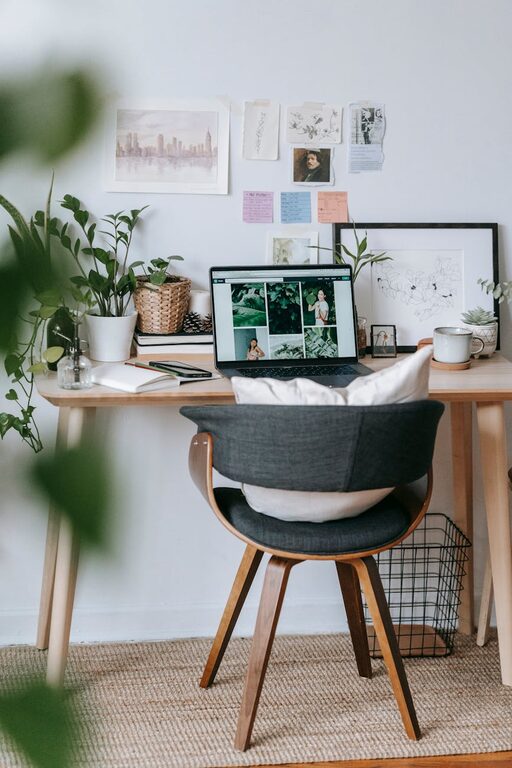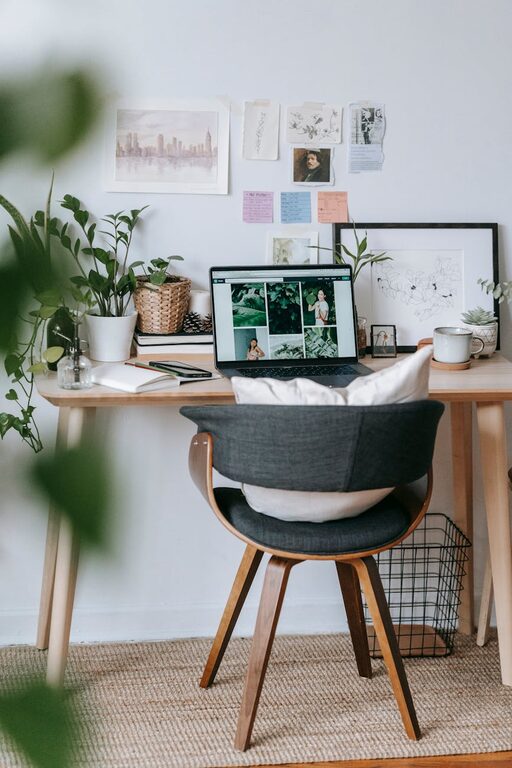
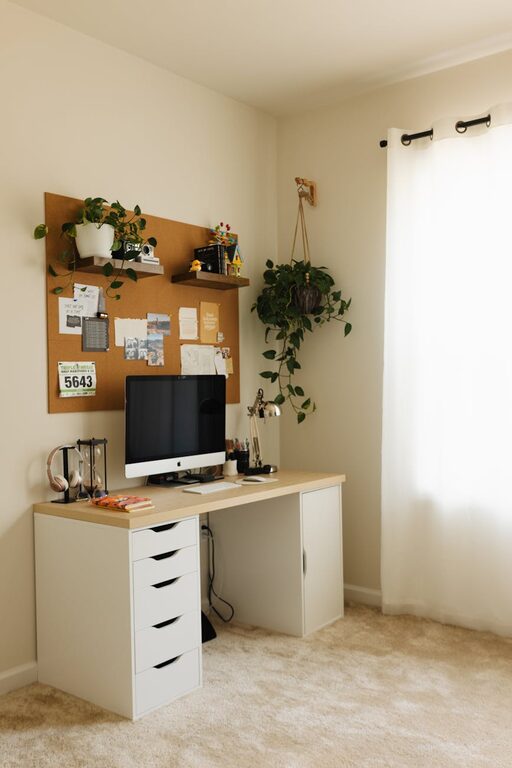
Creating a home office that feels both cozy and functional can significantly improve your workday, boost productivity, and maintain your wellbeing. With more people working remotely or from home, having a dedicated space that balances comfort and efficiency is essential. In this post, we’ll explore practical tips to help you design and organize a home office that suits your needs perfectly.
Why a Cozy and Functional Home Office Matters
A well-designed workspace influences your motivation, focus, and overall happiness during working hours. When your office is cluttered, uncomfortable, or uninspiring, it can lead to distractions and fatigue. Conversely, a cozy environment makes you want to spend time there, while functionality ensures you work effectively.
Now, let’s dive into specific tips to create a home office that feels just right.
1. Choose the Right Location
Find a Quiet Spot
Start by selecting a space in your home that’s quiet and free from interruptions. This could be a spare room, a corner in the living room, or even a section of your bedroom.
Maximize Natural Light
If possible, position your desk near a window. Natural light helps reduce eye strain and improves mood, making your workspace more inviting.
2. Invest in Comfortable and Practical Furniture
Ergonomic Chair
Your chair is one of the most important elements. Invest in an ergonomic chair that supports your back, encourages good posture, and suits your height.
Desk Size and Style
Choose a desk that fits your space and provides enough surface area for your computer, documents, and other essentials. Consider styles with built-in storage to reduce clutter.
3. Organize Efficiently to Reduce Clutter
Use Shelves and Drawers
Keep your workspace tidy by adding shelves, drawers, or filing cabinets. Storing items out of sight reduces distractions and creates a clean look.
Cable Management
Tangled cables can be annoying and make the area look messy. Use cable organizers, clips, or sleeves to keep wires neat and out of the way.
4. Personalize Your Space for Comfort and Inspiration
Add Plants
Indoor plants not only improve air quality but also add a touch of nature, making your office feel more inviting and relaxing.
Decorate Thoughtfully
Incorporate artwork, photos, or decorative items that inspire you but avoid overcrowding. A minimalist approach helps maintain focus.
5. Optimize Lighting for Work and Ambiance
Combine Natural and Artificial Lighting
Beyond natural light, add adjustable lamps or overhead lights with warm bulbs. This ensures your space is well-lit during early mornings or late evenings.
Use Task Lighting
Consider desk lamps that can be directed toward your work area, reducing eye strain during detailed tasks.
6. Maintain Good Air Quality and Temperature
Ventilate Regularly
Keep windows open when possible to allow fresh air circulation. Good air quality supports concentration and comfort.
Control Temperature
Use fans, heaters, or air conditioning to keep the temperature comfortable year-round. Avoid overheating or chills, which can distract you.
7. Incorporate Technology Thoughtfully
Choose the Right Equipment
Invest in reliable technology suited to your work, such as a fast computer, quality headset, or printer.
Minimize Distractions
Keep personal devices and social media usage to a minimum during work hours to maintain focus.
8. Plan Break Areas Nearby
If possible, designate a small space near your office for short breaks. Having a cozy chair or a spot with calming elements can help you recharge without leaving your home.
Final Thoughts
Designing a cozy and functional home office is all about balance. A space that feels warm and inviting encourages you to spend time there, while practical features help you stay organized and productive. Remember, your office should reflect your personal style and work habits, so feel free to experiment and adjust until it’s just right.
With these tips, you can create a home office that not only meets your professional needs but also supports your well-being throughout the day. Happy decorating!