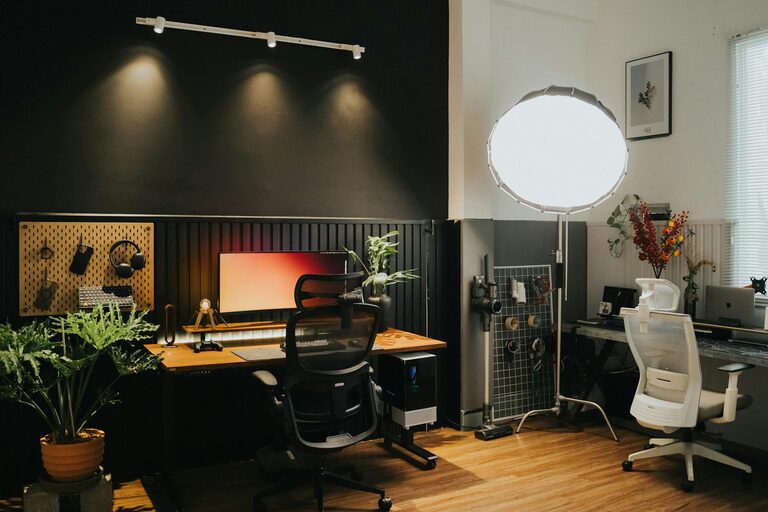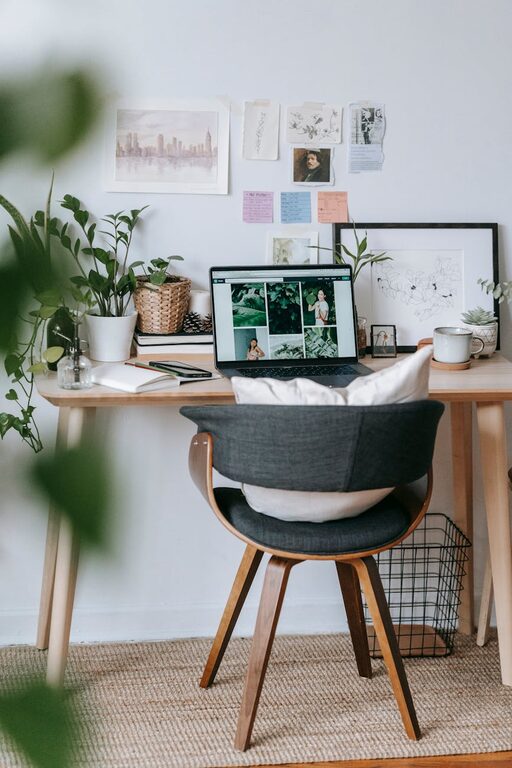
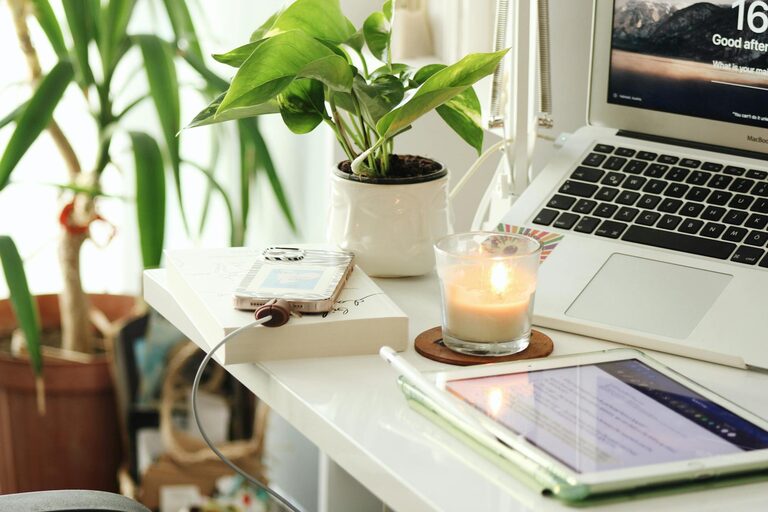
Creating a relaxing home office environment is key to maintaining focus and boosting productivity throughout the workday. Whether you’re new to working from home or looking to improve your current setup, small changes can make a big difference in creating a space where you feel calm, comfortable, and motivated. In this post, we will explore practical tips to help you design a home office that promotes relaxation and productivity.
Why a Relaxing Home Office Matters
Working from home offers flexibility but can also present challenges such as distractions and lack of separation between work and personal life. A relaxing environment can reduce stress and help you stay engaged with your tasks. When your workspace feels inviting and clutter-free, your mind is clearer and more focused.
Choose the Right Location
Find a Quiet Spot
Select a part of your home that is quiet and away from heavy foot traffic. This minimizes noise and interruptions, which can distract you during important work moments.
Consider Natural Light
Position your desk near a window to take advantage of natural light. Exposure to daylight improves mood and energy levels. If natural light isn’t an option, invest in quality, soft lighting that mimics daylight.
Invest in Comfortable Furniture
Ergonomic Chair
A supportive, adjustable chair makes a huge impact on comfort during long work hours. Proper back support helps prevent fatigue and posture-related problems.
Functional Desk
Choose a desk that matches your needs — adequate space for your computer, documents, and other essentials. Adjustable desks offer flexibility to switch between sitting and standing positions.
Declutter and Organize
Keep Surfaces Clear
A cluttered desk can be overwhelming and hinder productivity. Keep only daily-use items within reach and store others out of sight.
Use Storage Solutions
Drawers, shelves, or filing cabinets help organize documents and supplies, making it easier to find what you need quickly.
Create a Calming Atmosphere
Choose Soothing Colours
Soft and neutral wall colours like pale blue, green, or beige encourage relaxation and focus. Avoid overly bright or intense shades that may cause agitation.
Add Plants
Indoor plants improve air quality and bring a touch of nature indoors. They also have a calming effect and can enhance creativity.
Control Noise Levels
If your environment is noisy, consider soundproofing options such as rugs, curtains, or white noise machines to create a peaceful ambiance.
Personalize Your Space
Add Inspiring Artwork
Choose images or decorations that motivate and uplift you without being distracting.
Include Personal Touches
Small items like family photos, souvenirs, or a favourite mug can make your office feel welcoming and uniquely yours.
Establish Good Lighting
Use Layered Lighting
Combine ambient lighting with task lighting, such as desk lamps, to reduce eye strain and improve focus.
Avoid Glare
Position screens and light sources to minimize unwanted reflections.
Maintain a Comfortable Temperature
Keep the room at a temperature that feels comfortable to you, as being too hot or cold can affect concentration. Use fans, heaters, or open windows as needed.
Take Regular Breaks
Remember that a relaxing environment isn’t only about the physical space. Regular breaks for stretching, hydration, or simply stepping outside help refresh your mind and increase overall productivity.
Conclusion
Creating a relaxing home office environment is both about functionality and comfort. By paying attention to lighting, organisation, furniture, and personal touches, you can design a workspace that not only boosts productivity but also makes working from home an enjoyable experience. Start with a few simple changes today and notice the positive impact on your work habits and wellbeing.